I study how institutions shape the lives of people affected by forced displacement. This research began in refugee camps in Lebanon, where I grew up before moving to France at seventeen.
Since then, I have worked with organizations helping refugees find work in Finland and civil society groups resisting state pressure in Hungary. I am interested in how people’s experience is recognized, the opportunities available to them, and how they respond when institutions constrain their lives.
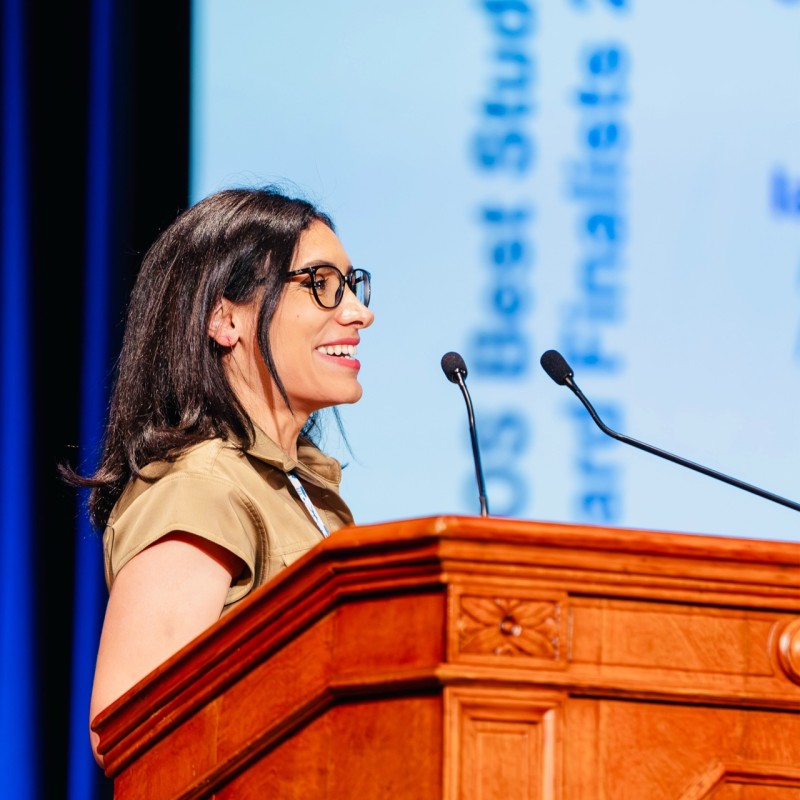
I am a Full Professor at IÉSEG School of Management, where I head the Management & Society Department, and Vice Chair of EGOS.
I grew up in Lebanon and moved to France at seventeen. Moving between social worlds made me attentive to how we learn what is expected of us, which parts of ourselves we make visible, and which we learn to keep quiet.
Institutional theory gave me a vocabulary for those experiences. My early research explored how organizations navigate competing demands, how identity shapes their responses, and how established hierarchies are maintained through everyday practices.
Working with refugees, aid workers, and civil society organizations changed the questions I wanted to ask. I became increasingly concerned with how institutions are lived: what they make possible, what they close off, and the emotional and moral costs they impose.
These experiences have led me toward a more critical institutionalism, attentive to power, history, racialization, and inequality. They have also made me question how my own background shapes my research and what our theories overlook.
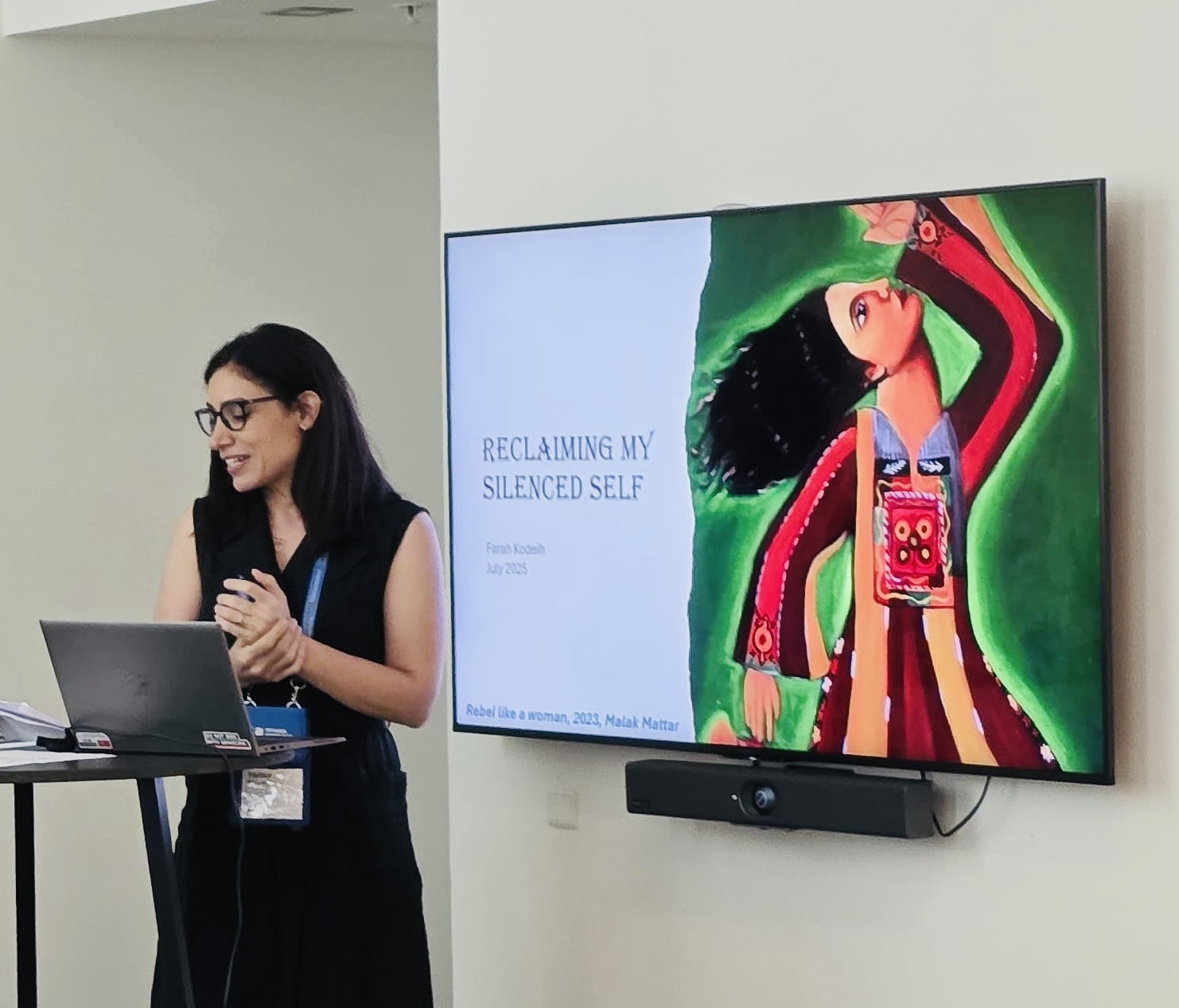
“Finding my scholarly voice has been inseparable from recovering parts of myself I had learned to silence.”From my habilitation thesis (2026)
Habilitation à diriger des recherches · 2026
Understanding marginalization through the marginalized: Toward a critical institutionalism
Defended at Université Paris-Dauphine–PSL on 18 September 2026, this thesis traces the evolution of my research and the questions that guide it.
I study institutions through the experiences of those who live with their consequences.
01
Displacement, belonging, and dignity
How do people rebuild a life after forced displacement? I study how institutions recognize or disregard their past experience, constrain their futures, and shape the support available to them. This work includes refugee camps in Lebanon and organizations supporting professional integration in Europe.
Refugee support · Sheltering work · Professional integration
02
Civil society and collective resistance
How do civil society organizations work together when the conditions for collective action are under attack? My research in Hungary examines how organizations with different priorities build and sustain coalitions under state pressure.
How does social purpose take shape in practice? How do people sustain meaningful work amid crisis? These questions run through my research on nonprofit organizations and on aid workers in Lebanon.
Nonprofit organizations · Social purpose · Meaningfulness
04
Institutional power and inequality
How are exclusionary arrangements maintained, and how can well-intentioned policies also cause harm? I examine how institutional practices and categories shape whose experience counts, who gains access to opportunities, and who bears the costs of policy.
Research with and for the communities whose lives we study.
Many of my research questions emerged from interviews. I try to take seriously what people tell me, including experiences that do not fit the theories I work with.
2026 · In Cultural Marginalization in Communities and Organizations: Seeds for Peace, edited by Innan Sasaki & Sofiane Baba · Research in the Sociology of Organizations · 103, 111–137
Drawing on in-depth interviews with 70 refugees who took part in Kodiko’s mentoring programme, Joanna Seraphim and I examined their experiences before, during, and after the programme.
I teach International Business Strategies and Business & Human Rights at IÉSEG. Across both courses, I encourage students to consider how strategic choices affect people, communities, and the environment.
International Business Strategies
This course explores how firms enter new markets, organize across borders, and respond to technological and geopolitical change. We examine emerging markets, global innovation, digital platforms, and AI, alongside the capabilities and choices that shape international expansion.
Several sessions focus on environmental and social sustainability, including global supply chains and human rights. We discuss where international growth conflicts with these responsibilities and what firms can do in response.
Business & Human Rights
This course examines how business activities affect human rights and what responsibility companies have for those impacts. Students engage with the UN Guiding Principles on Business and Human Rights and learn to identify risks, assess impacts, and develop responses through human rights due diligence.
Topics include labour and migrant workers’ rights, land and Indigenous rights, environmental impacts, technology, and business in conflict-affected settings. Cases, role plays, and impact assessments connect ethical and legal questions with concrete managerial decisions.
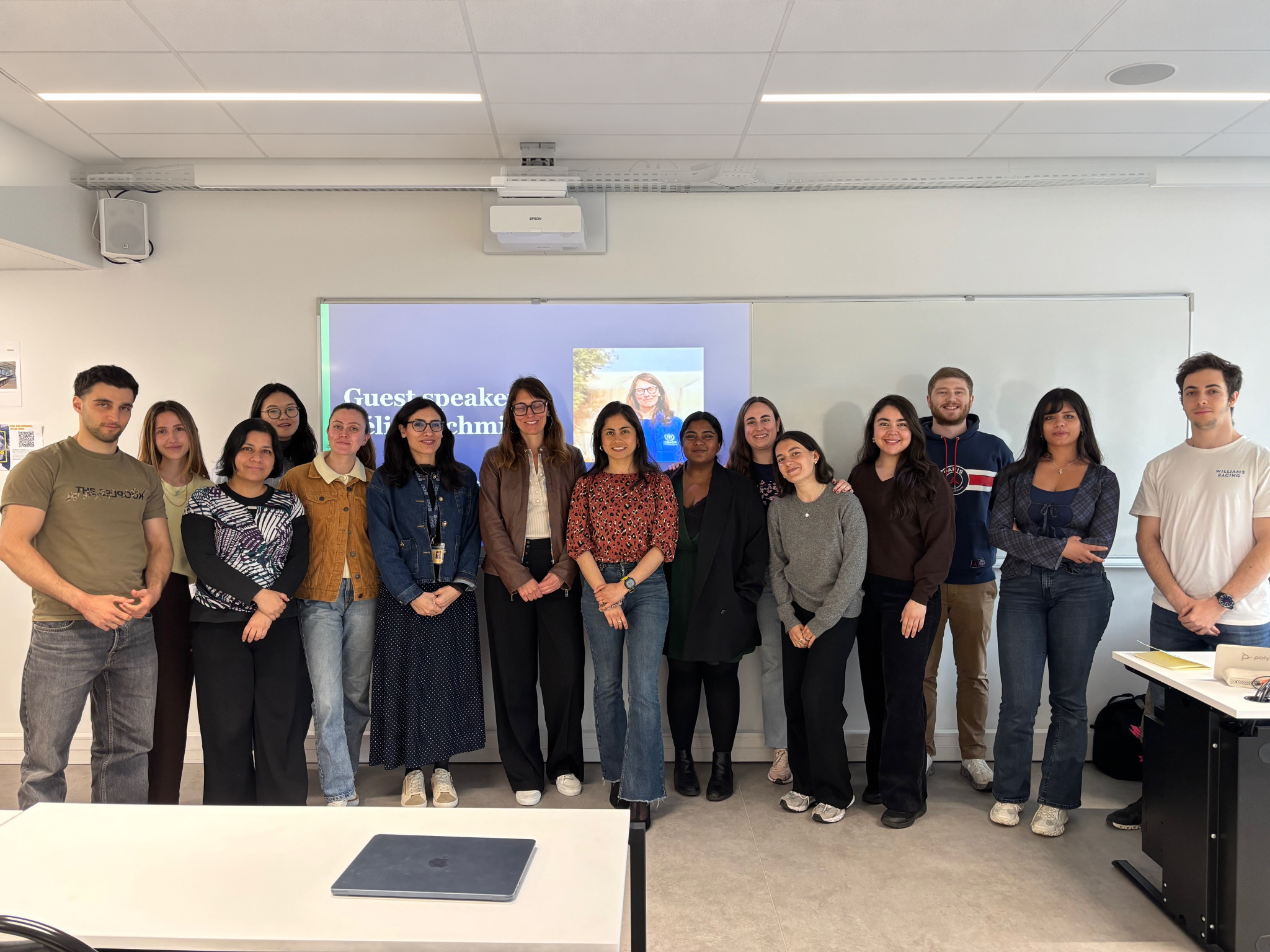
With students and a guest speaker in class.
I ask students to explain their reasoning and consider the perspectives of people affected by the decisions they propose.
Doctoral supervision
Supporting doctoral research
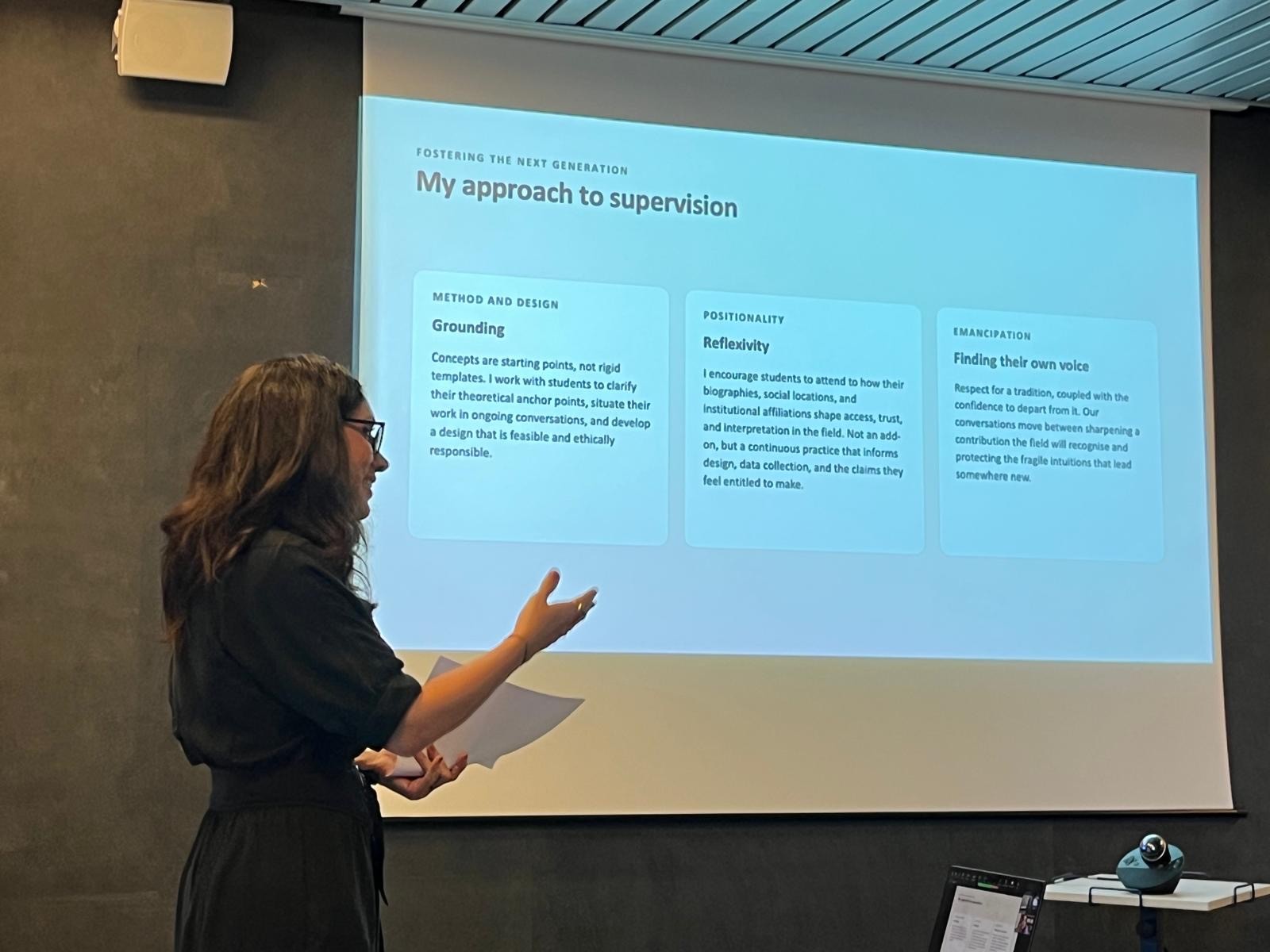
I work with doctoral researchers on theory, methods, and writing, while also paying attention to how they experience fieldwork. I work with doctoral researchers to develop their questions and reflect on how their own histories and positions shape what they see and the claims they make.
Research craft
Developing a clear argument, a thoughtful research design, and a careful relationship between evidence and theory.
Reflexivity
Attention to position, access, trust, and interpretation throughout the research process.
Finding their own voice
Supporting researchers in developing the questions they want to pursue and finding their own way of thinking and writing about them.
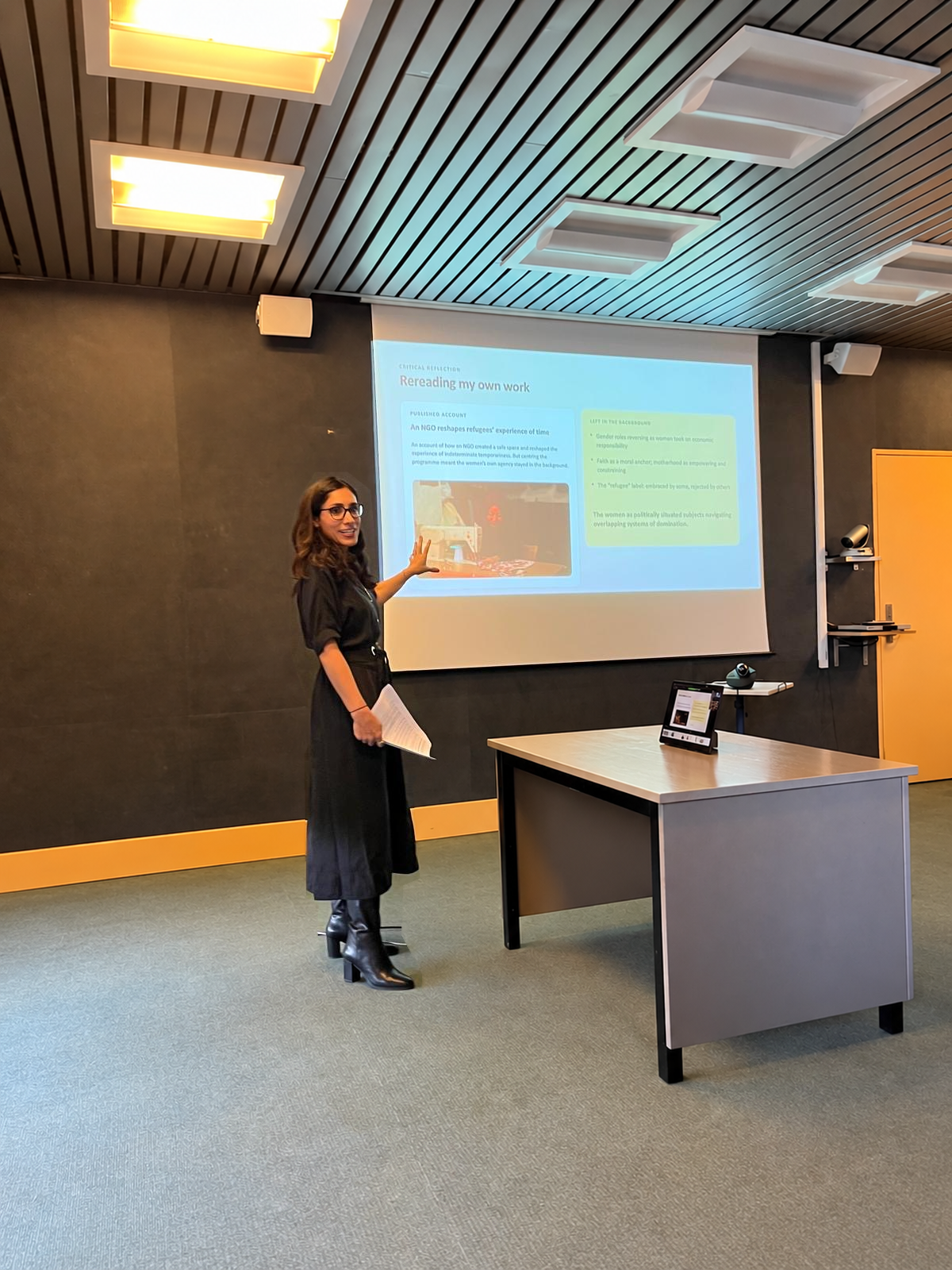
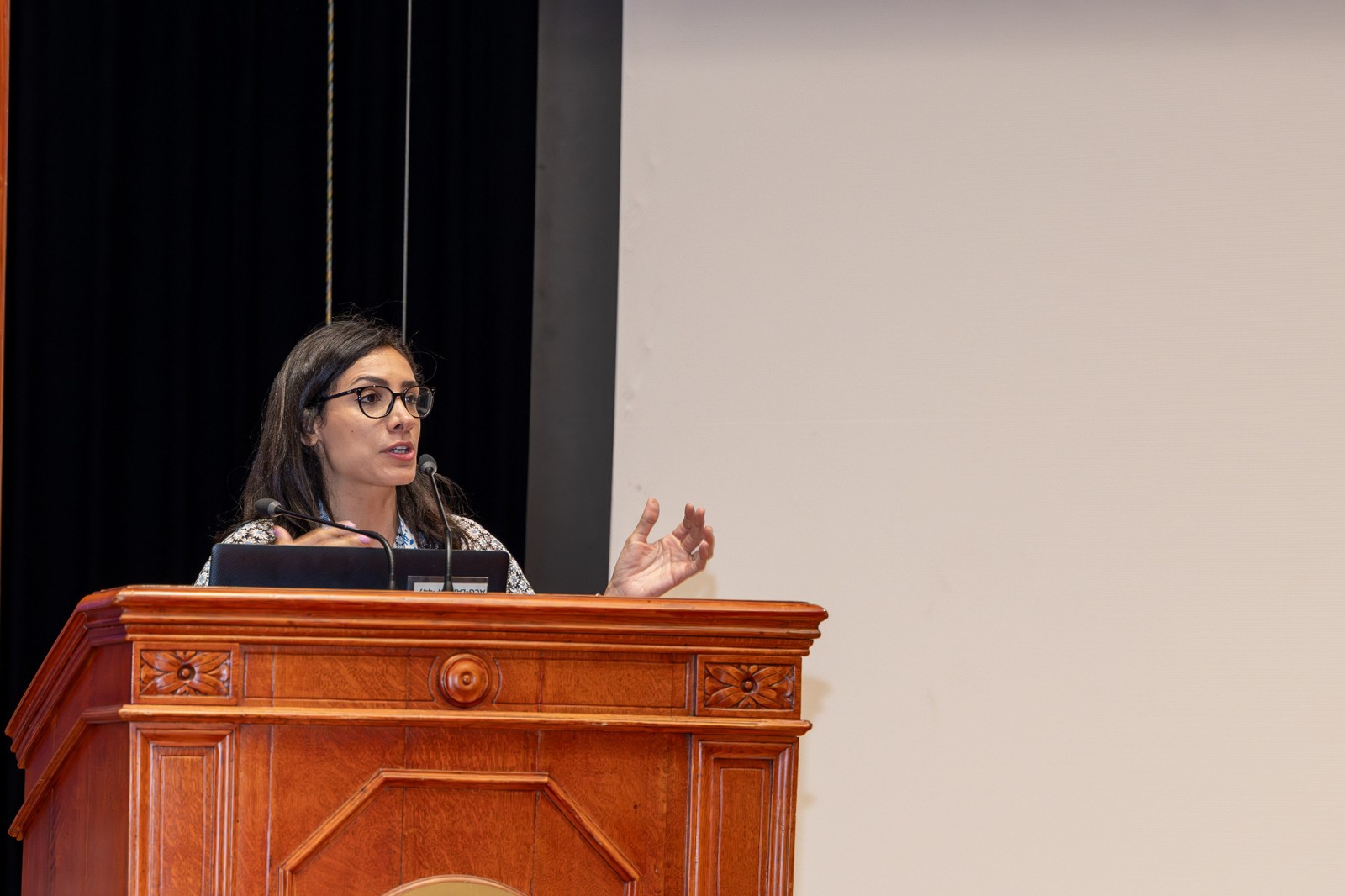
Presenting my approach to supervision at my HDR defense.
06 / Service
Academic service
IÉSEG School of Management · Since September 2025
Head of the Management & Society Department
As Head of the Management & Society Department, I work with colleagues across the Paris and Lille campuses on teaching, research, and the department’s development. Much of the role is practical: supporting colleagues and coordinating teaching.
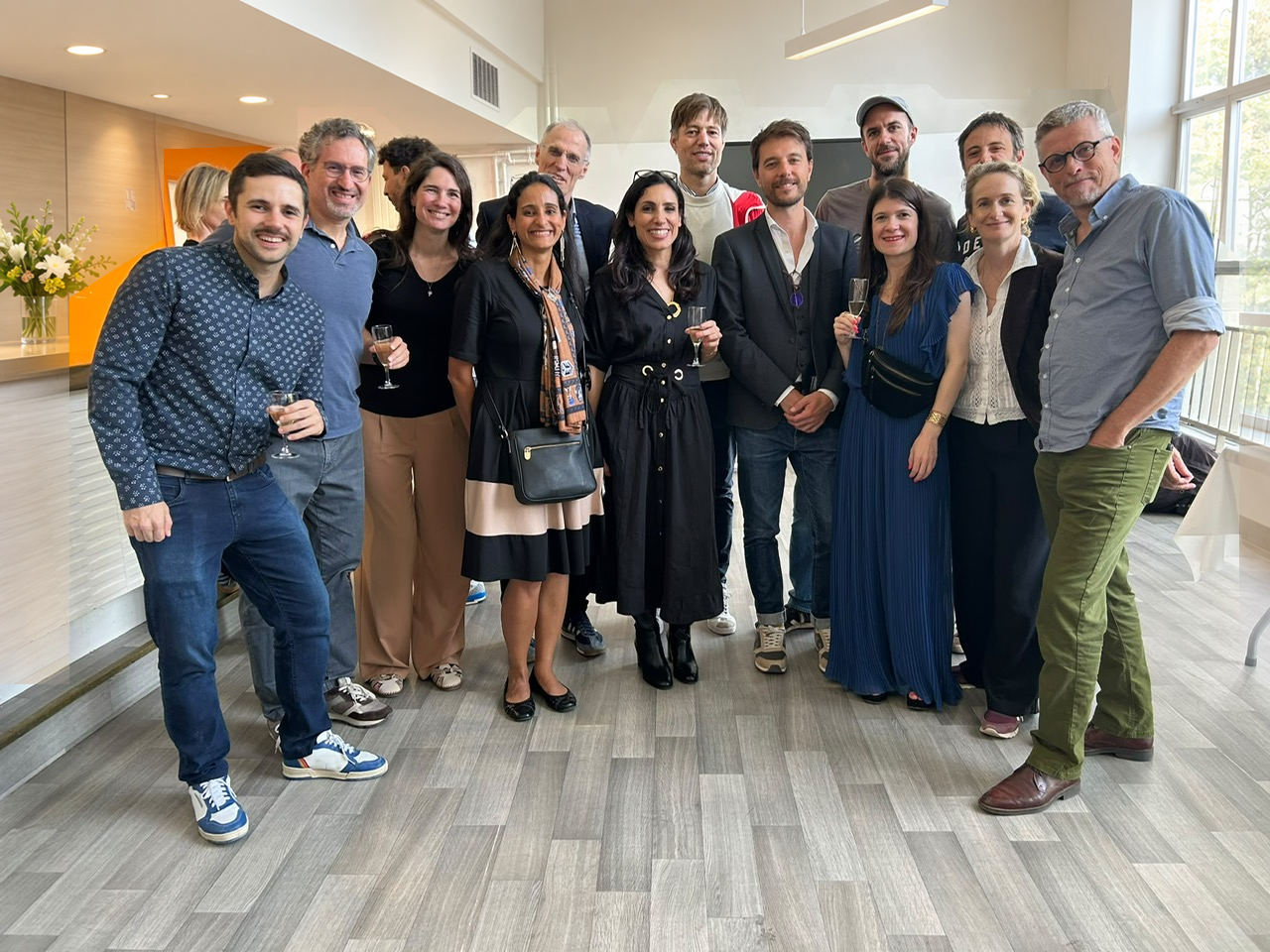
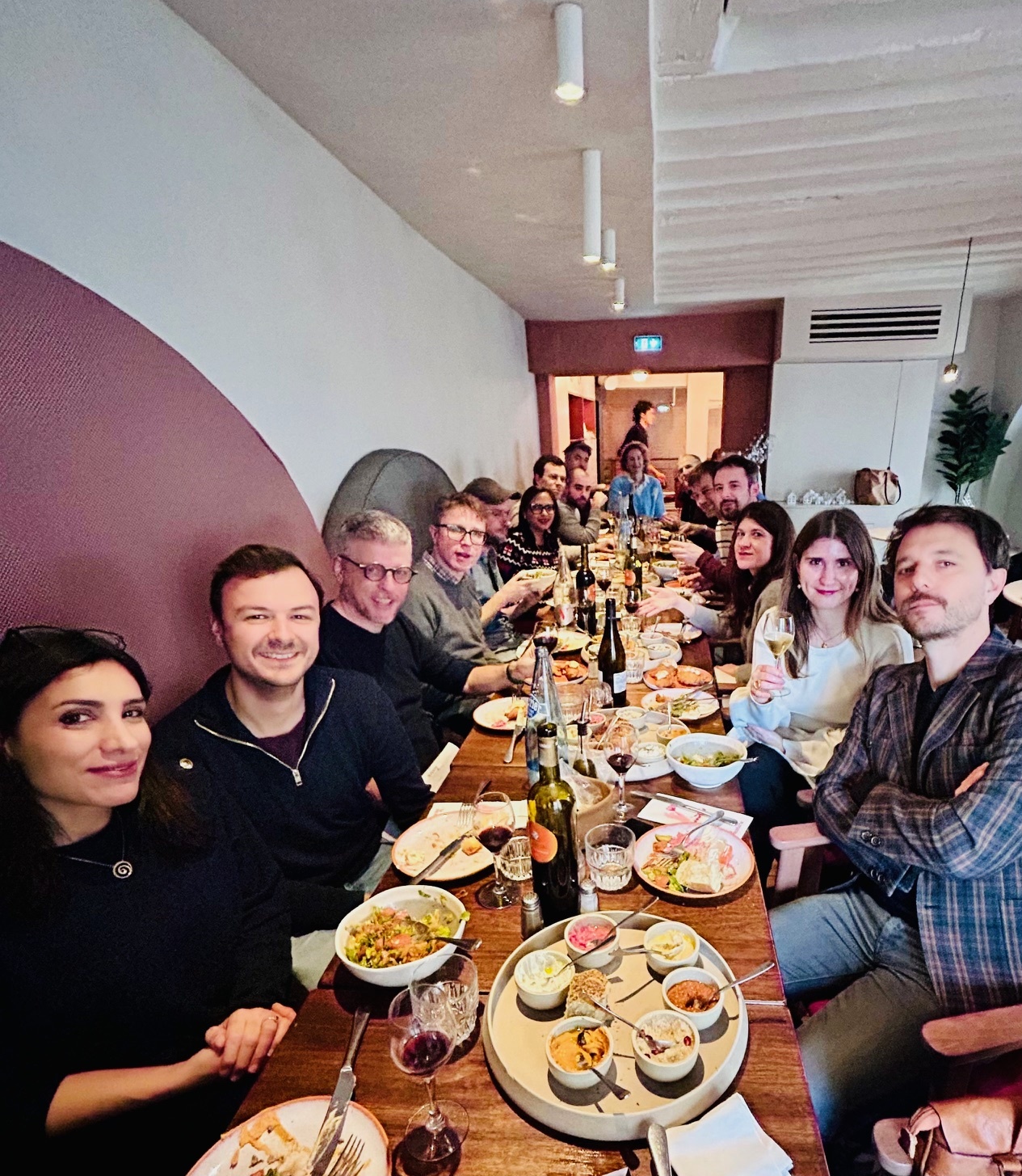
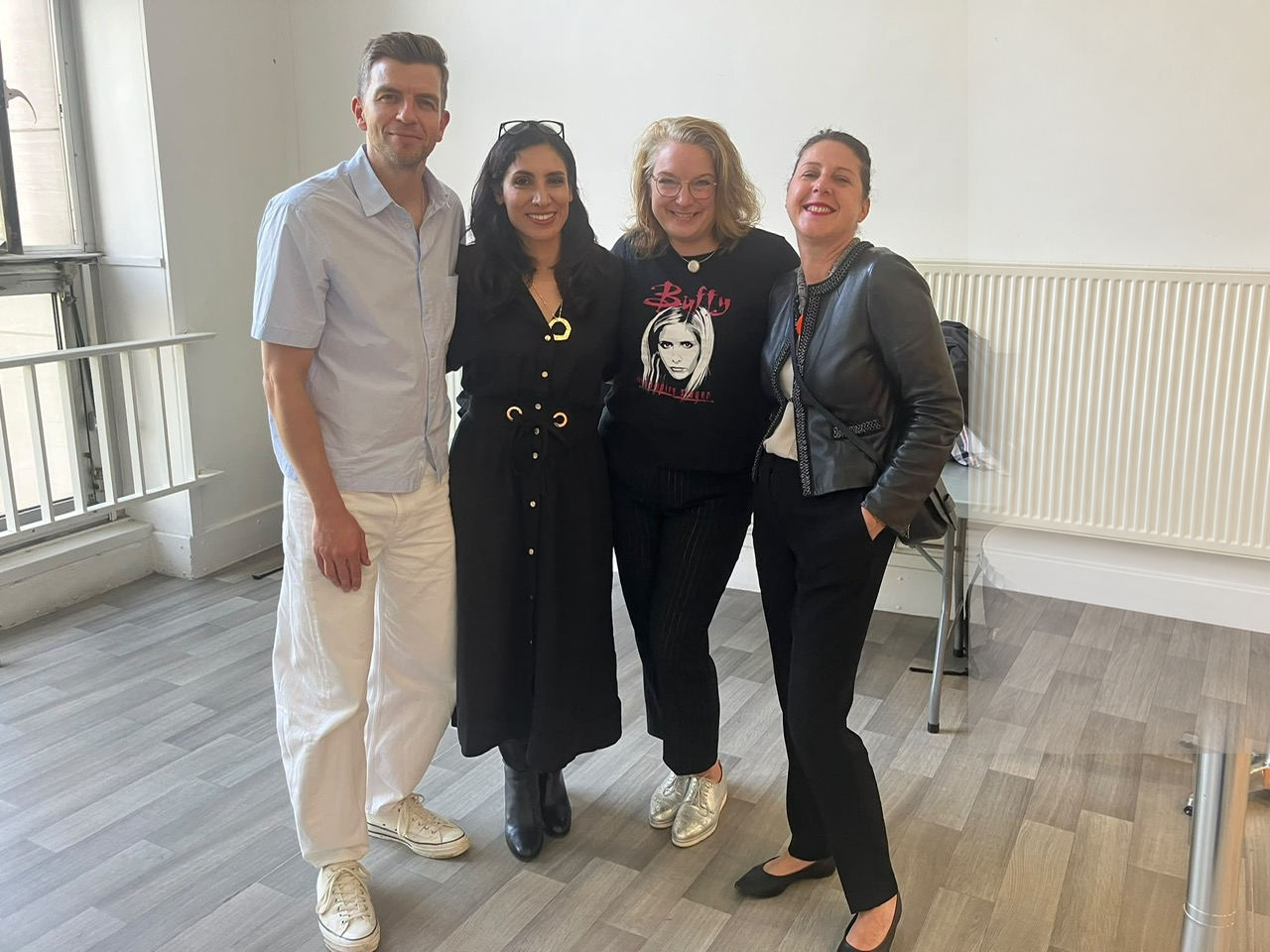
With department colleagues from Paris and Lille.A shared meal with IÉSEG colleagues.
European Group for Organizational Studies
EGOS Vice Chair
I have served on the EGOS Board since 2024 and as Vice Chair since July 2025. Through EGOS, I have met many of my co-authors and close friends. On the Board, I work to support opportunities for scholars to meet, exchange ideas, and develop collaborations.